Unexpected Places to Find Design Inspiration for Your Next Project
Recent Trends in Design Sourcing
Design teams are increasingly stepping away from digital mood boards and competitor reviews to uncover fresh ideas. Recent industry discussions highlight a pivot toward analog, tactile, and outdoor environments. Remote work has also pushed designers to look closer at their immediate surroundings—kitchen utensils, street signage, or even the patterns in a parking lot—rather than relying solely on curated online galleries. These shifts reflect a broader move toward authentic, context-driven creativity.

Background: Why Traditional Sources No Longer Suffice
For years, designers relied on design-specific platforms, awards shows, and trade publications for inspiration. But as visual language became more homogenized across industries, many found these sources yielding similar results. The desire for originality led professionals to explore non-design fields:
- Industrial and mechanical objects – chains, gears, or cable layouts offer raw structural patterns.
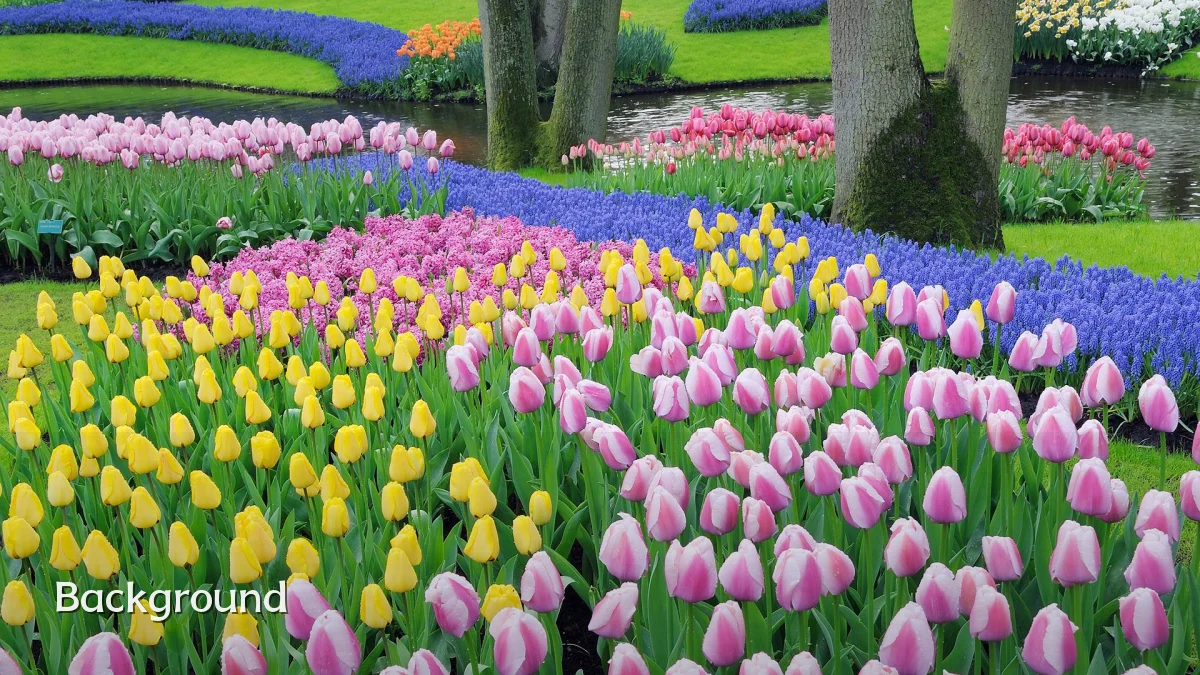
- Natural formations – leaf veins, rock strata, and water ripples inspire organic textures and color palettes.
- Secondhand markets – vintage packaging, old maps, and worn typography provide tactile references unavailable in digital form.
User Concerns: Practical and Psychological Barriers
While the concept sounds appealing, designers face real challenges when trying to use these unexpected sources. Common concerns include:
- Time cost – physically visiting unfamiliar places or collecting analog materials can be inefficient.
- Context transfer – translating a pattern from a rusty grate into a polished UI or brand identity often requires heavy abstraction, which some find difficult.
- Risk of over-novelty – inspiration drawn from extremely obscure sources may not resonate with a client’s audience or industry expectations.
“The hardest part is not finding something interesting—it’s deciding whether your audience will see the same value you do.” — observation from a creative director roundtable (no specific date attributed).
Likely Impact on Design Workflows
Adoption of these unconventional inspiration methods is likely to influence how design teams structure their research phases. Anticipated effects include:
- Blended research frameworks – combining digital curation with guided physical exploration (e.g., “design walks” or object-collection sprints).
- Higher tolerance for imperfection – rough, asymmetrical references may normalize less-polished design outputs in early-stage work.
- More niche aesthetics – as designers draw from unusual places, visual trends may become more fragmented rather than following a single direction.
What to Watch Next
Over the next few project cycles, watch for these developments:
- Growth of “design foraging” meetups or co-working sessions held in non-studio environments (e.g., libraries, flea markets, industrial sites).
- Tools that help translate physical reference into digital mood boards (AI-assisted scanning or photo organization platforms).
- Client education materials that help non-design stakeholders understand references from unexpected sources—possibly reducing pushback on unconventional concepts.
If the trend holds, the next wave of standout designs may owe less to Pinterest algorithms and more to a walk in a hardware store or a rain-soaked sidewalk.